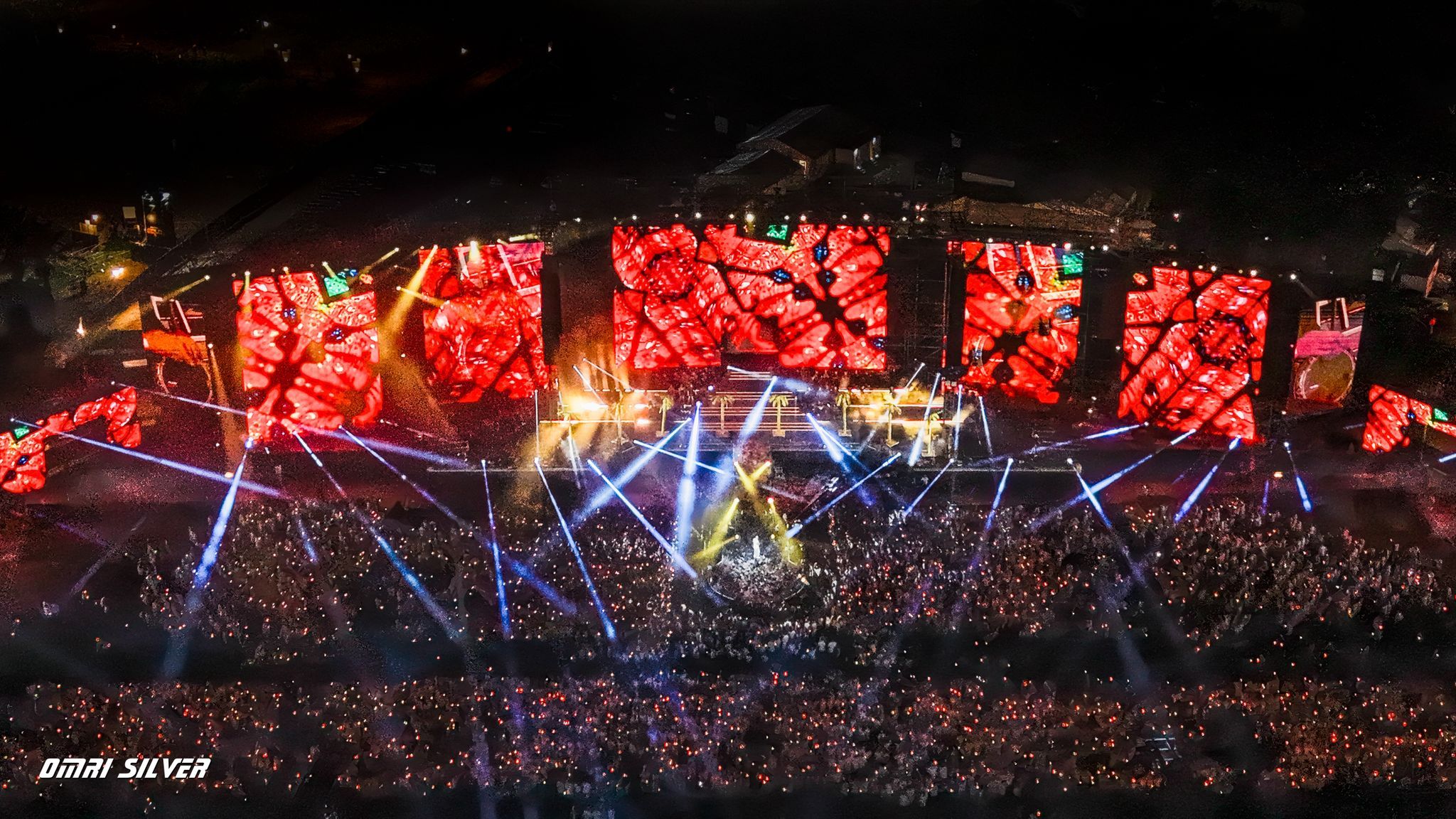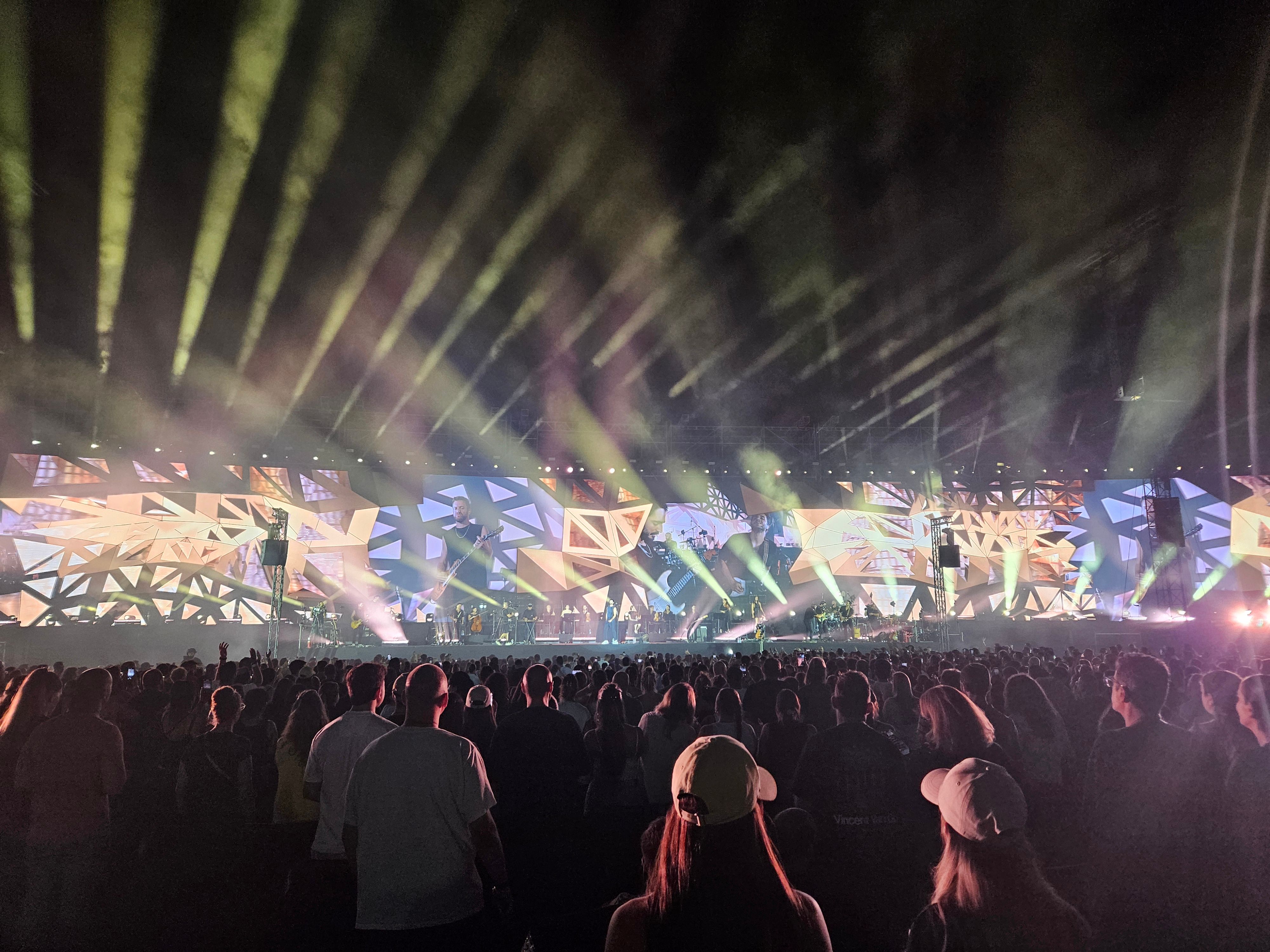
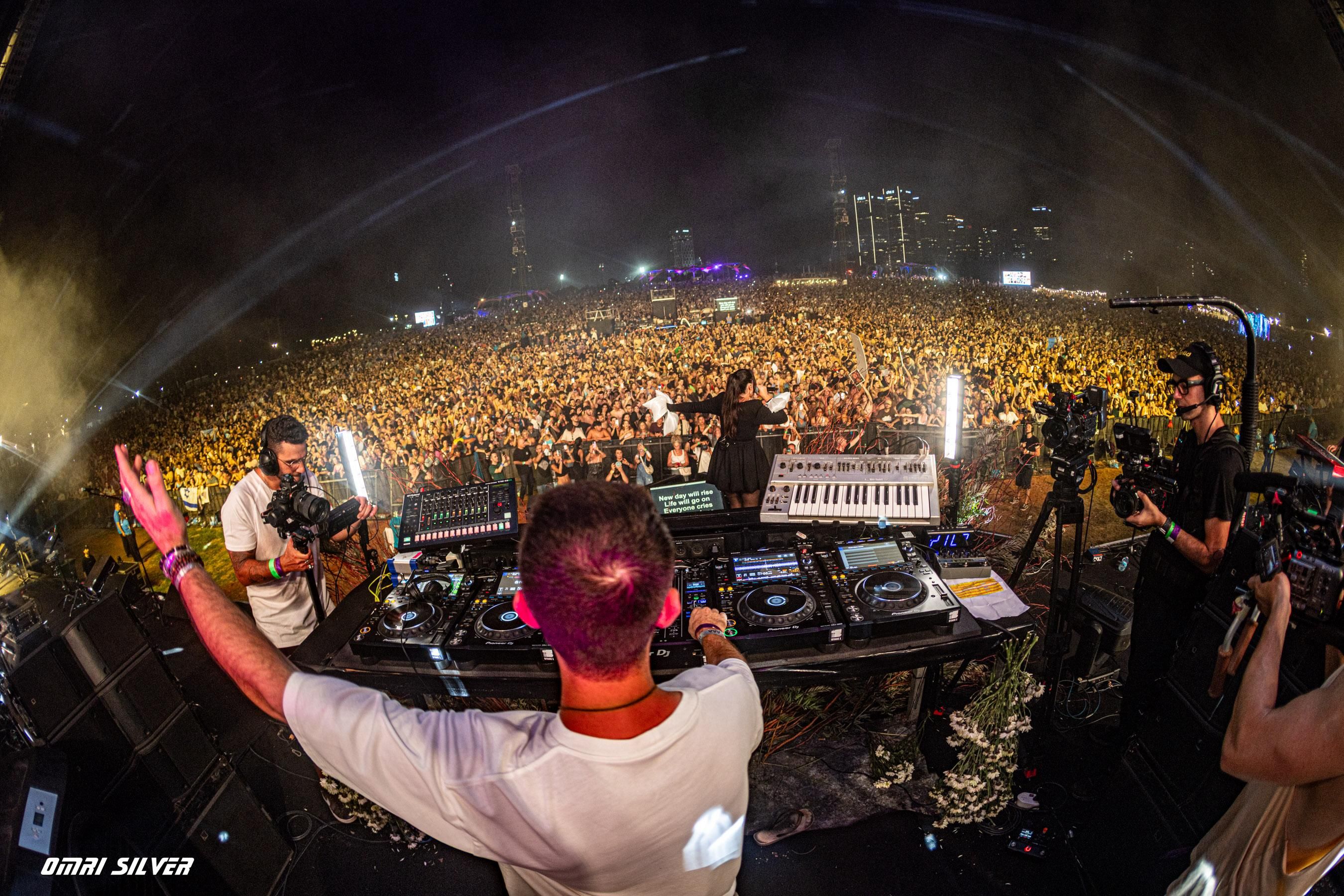
Every mass event (אירוע המוני) needs a thorough, rigorous safety plan (תכנית בטיחות) matched to an event with a very large number of participants. The decision on which safety measures are taken while the event is built and while it runs is not left to the discretion of the event organisers: they are obliged to act in accordance with the safety regulations (תקנות בטיחות) laid down in law. Right now, with mass-event production at its peak and about to bring with it countless large sporting events, performances by artists from Israel and abroad, huge parties and any number of festivals – this is the time to make sure your event meets every safety rule set out in law and is ready to host large numbers of participants at the highest safety level.
Mass events are usually held in the open air and, as such, are subject to natural ground conditions and to changing weather, so there are many more risk factors that can endanger the safety of the people attending the event as well as the equipment on site.
In order to create a rigorous safety plan that covers every safety aspect of the event, the legislator provided that event organisers must use the services of a certified safety consultant (יועץ בטיחות בעל מקצוע מוסמך), so that they will produce a comprehensive, high-quality safety plan for the event and confirm that the planned event is as safe as it can be before it goes ahead.
Who is a certified safety consultant?
At events, a safety consultant (יועץ בטיחות בעל מקצוע מוסמך) is responsible for carrying out rigorous soundness inspections of every installation, structure and element included in the event. A certified safety consultant for mass events is also responsible for preparing a safety plan for fire scenarios that includes detailed drawings, and for submitting approvals to the various authorities (the Fire and Rescue Authority (רשות הכבאות וההצלה), the Israel Police (משטרת ישראל), Magen David Adom (מד“א) and others).
Because a safety consultant is required to prepare a safety plan for mass events, which involves a deep and comprehensive examination of many parameters, it is important to choose a professional safety consultant with a great deal of experience in preparing safety plans for mass events to the strictest safety rules.
We give event organisers comprehensive, professional safety consulting. A certified safety consultant on the company’s behalf carefully examines every aspect of the event, from the ground conditions, through the infrastructure and the installations and structures on site, to producing a safety plan for an emergency. In addition, the safety consultant assists with everything needed to obtain all the approvals required in order to receive a licence to run the event. With B-SAFE you will know that you are in safe hands, and that your event operates according to the strictest safety regulations, with the dangers involved in a mass event kept to the smallest possible level.
What has to be included in the event’s safety plan?
When you organise an event, a duty of care (חובת זהירות) applies to you – both towards the participants and towards the crew working there. You have to put in place a plan based on the event’s safety plan, take steps to prevent safety incidents, and make sure the event passes off safely.
Why choose a certified B-SAFE safety consultant?
B-SAFE has been providing safety services for mass events for many years. The company employs a range of certified engineers with a great deal of experience in their fields: building engineers (מהנדסי בניין), structural engineers (קונסטרוקטורים), electrical engineers (מהנדסי חשמל) and certified, experienced safety consultants. Their role is to identify in advance every risk that could cause harm to anyone involved, and to plan a response to every emergency that might arise. That covers the build-up stage of the event, its operation and its take-down. These are the things needed in order to create the best possible safety plan for a mass event:
Assess how well the site suits the event
Event organisers have to make sure the site is laid out so that it is safe for the participants and the crew. That is why, once you have finalised the concept for the event, you should look at how well the venue fits your needs.
Start by writing a profile of the event, which should include:
- which activities will take place at the event
- the estimated size of the audience and its age demographic
- the estimated size of the workforce
- the duration of the event
- the time of year at which the event will be held
Then start weighing up the following factors:
- Capacity – can your participants be accommodated safely at the site? Could crowding occur?
- Access – is there adequate access to the site for vehicles and pedestrians? Can people with disabilities, wheelchairs or pushchairs reach the site? Are there enough emergency exits for everyone, and can emergency vehicles gain access easily if they need to?
- Hazards – are there existing hazards at the site that your event structures could interfere with? Is the area prone to difficult weather conditions such as flooding and strong winds? Are roads, bridges and so on structurally sound, and can they carry the additional load of the people attending your event?
- Emergency services – how far are the hospital and the emergency services from the event site? Is there convenient access for emergency vehicles?
Carry out risk assessments
While you are assessing how well the site suits the event, possible dangers are taken into account. Now is the time to consider them in more detail. Set out all the possible risks, who might be at risk, and how each risk factor can be reduced.
It is important to rank and prioritise risk factors in order of severity. Those risks may include:
- Equipment – is there any chance that electrical equipment could get wet? Will anyone other than the crew come into contact with the equipment? Are there cables or ropes that people might trip over?
- Crowd management – could crowding and a crush occur? How can unruly or violent behaviour be handled?
- Crew – how will you protect your event crew from the dangers involved in their work, such as lifting, carrying and falls?
- First aid – make sure you have enough crew members qualified to give first aid, and that the event site is easily accessible to the emergency services.
- Fire and smoke – make sure there are enough fire extinguishers, and that there are means of controlling the amount of smoke produced by food preparation, by setting aside dedicated areas for it.
- Food and drink – how will you handle food allergies and prevent cross-contamination (which can cause food poisoning and salmonella)?
- Environment – events can cause pollution. Encouraging proper waste disposal, and even recycling, can help. So can taking the event down properly, in a way that does not damage the environment.
Prepare an emergency plan
It is important to prepare for every emergency that could occur, no matter how unlikely it seems. From fires and collapses through to a terror incident – an emergency plan (תכנית חירום) will help the team take immediate action. So make sure the entire workforce at the event, from management to crew members, is aware of the safety plan, so that they know how to act in the best possible way during the event and in any safety scenario. Preparing for safety scenarios should take the following into account:
- How is the alarm raised?
- What will your emergency response on site be?
- How do you make fast contact with the emergency services?
- How will the participants be managed, including evacuation if it is needed? Remember to take account of people with restricted mobility, and of children.
- How will traffic be managed? Emergency vehicles need access, and people need to leave.
- How will casualties be treated? Make sure there is enough medical equipment, and enough people who can give first aid.
Involving the crew and the participants in event safety
The event crew has to know all of the event’s safety procedures, but the people attending events also need to know how to act if there is danger. Put up clear signs pointing to exits and to safe areas, and pass important messages to participants before the event.
For more information, and to have a high-quality safety plan prepared for your event, get in touch.