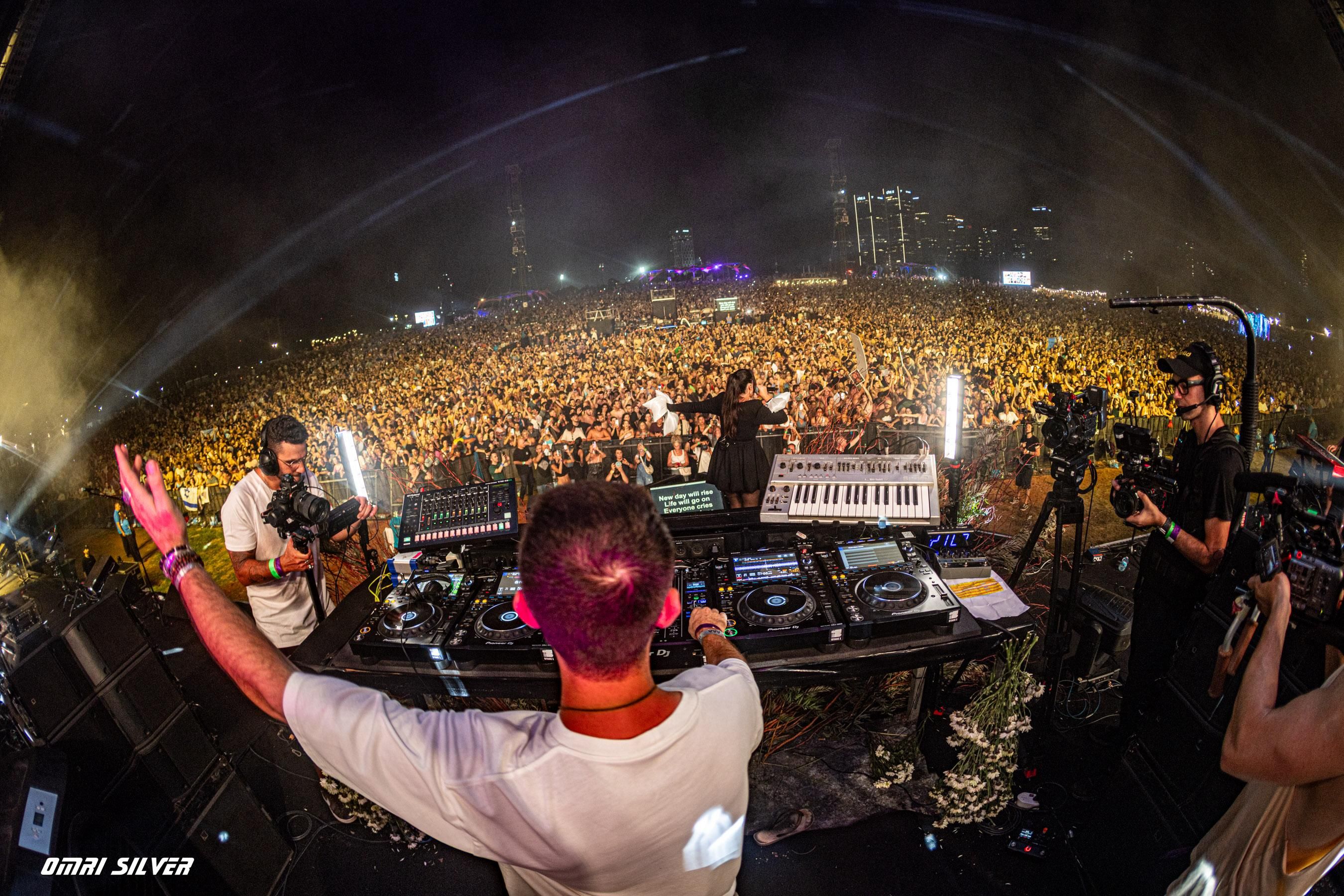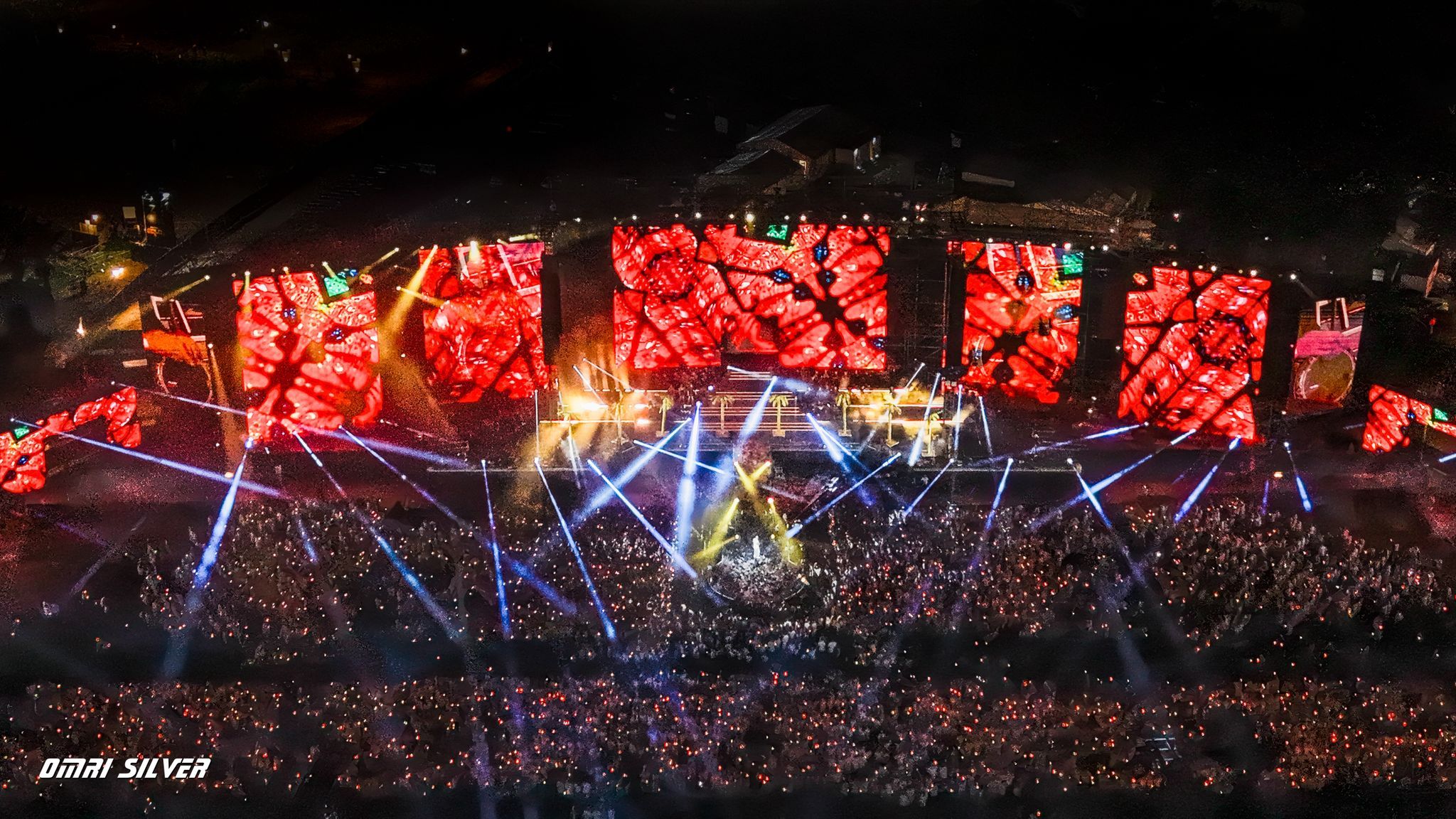
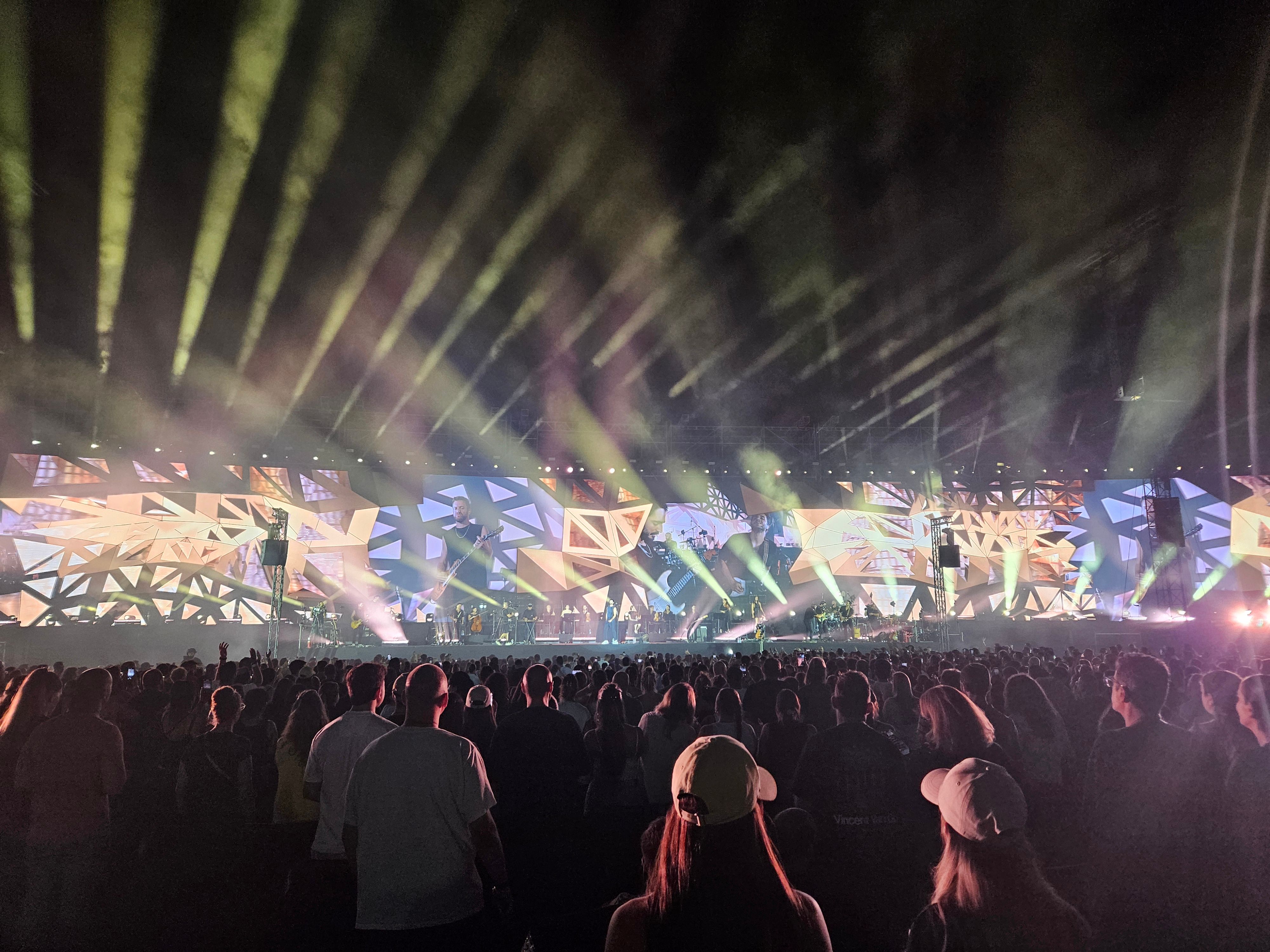
Every mass event (אירוע המוני) held in the open air requires an operating licence for the event (רישיון להפעלת האירוע). Every summer, large entertainment events are held in parks, in large event compounds and in all kinds of outdoor locations. Those events include concerts, parties and festivals with very large numbers of participants.
Because a mass event – however joyful it may be – carries a range of possible dangers with it, Israeli law requires event organisers to obtain a whole set of approvals from the various authorities before they may hold the event.
What are the event approvals for?
Cultural events matter a great deal to the public, and they bring a great deal of joy, freedom and enjoyment to the people who attend them. These mass events have a light, easy-going image, they draw large audiences and the business owners who supply their services and products at the event, they improve the public’s quality of life, at times they are even exceptional experiences, and they contribute a fair amount to economic growth.
So it is fair to say that events of this kind have a large influence on the public, and a responsibility that is no smaller — to protect people’s safety as far as possible.
Obtaining a licence for a festival, a party or a concert is an essential condition for running the event. The law was created to secure the greatest possible safety of the people attending the event, of the crew working on site, and of the property at the event and around it.
Despite the differences between the types of events and the audiences they address, they share one particularly important common denominator: the need to obtain a licence to run the event by keeping to the strict safety regulations (תקנות בטיחות) laid down in law.
It makes no difference whether the event takes place in the heart of Tel Aviv, in the desert or on the shore of the Sea of Galilee — the rules are the same rules, and their shared purpose is to create the best possible safety arrangement while the event is built, throughout its operation and while it is taken down.
What do the safety regulations cover?
Health and safety
Events that serve food, drink or alcohol to the public must comply with local and national health and safety guidance in order to protect the workers and the participants. The last thing an event needs to deal with is an outbreak of salmonella, or a breach of the rules on serving alcohol.
Electrical and fire safety
Depending on the type, location and size of the event, different safety protocols may apply. For example, electrical safety and permits can apply to food trucks, stages, sound systems, inflatables and lighting.
Fire safety requirements may apply depending on the location, the use of fireworks, road closures, fenced or enclosed exits, cooking facilities and alcohol service. As with health and safety, these protocols exist to protect users and the public from fire and from other electricity-related dangers.
Environmental impact
Environmental considerations run from making sure the event’s waste is properly managed (public toilets, adequate public hygiene, refuse containers and post-event cleaning) through to more modern best practice by way of recycling, composting and reducing single-use plastic products. Ultimately the motivation is to protect the environment, directly and indirectly, by encouraging event organisers to leave the environment in the same condition it was in before the event, or better.
Impact on local residents
Most people who attend an event do not give much thought to the logistics of closing roads and parks, signage, public parking, noise and air pollution, or whether local businesses have increased their supply for the people coming to the event. But those are exactly the kinds of concerns residents have about events held close to where they live. Some of the safety regulations and the approvals for running the event address this, so that the event runs properly while limiting the harm to the quality of life of the surrounding residents and to the local infrastructure.
Safety and soundness of the installations at the event
Every open-air mass event includes various installations, some of them permanent and some temporary. Some of the safety regulations concern the safety and soundness of those installations. From stages to booths and all kinds of structures – all of them have to be durable, sound and safe, so that they do not become a danger to the workers or to the people attending the event.
Safe egress from the event
To ensure the greatest possible safety of the crowd while the site is being cleared, wide passageways and safe exit routes have to be created — ones that allow a fast, efficient and safe evacuation, without the crush and crowding that can put lives at risk.
Preparing for emergency scenarios
Dangers can occur anywhere, and above all at events with very large numbers of participants. Smoke, fire, incidents of violence, collapsing installations and crowd density are only some of the dangers that require a fast evacuation from the event site and an orderly protocol for protecting the participants in an emergency. Escape routes (דרכי מילוט) and communication with the emergency and rescue services, first-aid equipment and initial firefighting are among the parameters needed to create the best possible emergency arrangement at a mass event.
How can you make sure you meet every legal requirement for an event licence?
Safety at mass events is a complex matter, and it takes professional management to secure the best possible safety at the event. That is why the law provides that event organisers must use the services of a professional safety consultant (יועץ בטיחות), who will inspect and manage the whole safety arrangement required to run the event.
The safety consultant is the first party to turn to on anything to do with the event’s safety arrangement. The safety consultant covers the range of safety fields involved in an event and works to give a high-quality answer to every safety matter it raises, all the way to obtaining the necessary approvals from the various authorities.
Who is a B-SAFE event safety consultant?
B-SAFE has professional, skilled safety consultants and engineers who take care of everything to do with safety at mass events. Among the safety services we provide for events:
Preparing a safety plan (תכנית בטיחות) – writing and drawing a safety plan for the business, covering every required safety aspect, such as fire safety, crowd management, accessibility and more.
Structural inspections (בדיקות קונסטרוקציה) – carrying out inspections of various structures and installations by licensed building engineers (מהנדסי בניין).
Licensing arrangements (הסדרי רישוי) – providing detailed professional opinions and assistance with the licensing procedures before the local authorities (הרשויות המקומיות), the police (המשטרה), Magen David Adom (מגן דוד אדום), the Fire and Rescue Authority (רשות הכבאות וההצלה), the Ministry of Health (משרד הבריאות) and the other bodies whose involvement is required in order to run the event.
An accessibility plan (תכנית נגישות) – preparing an accessibility plan and providing accessibility supervision at events.
Providing an engineer’s inspection report (תסקיר מהנדס)
Inspection of electrical installations by a certified electrical inspector (בודק חשמל מוסמך)
Inspection of machinery, gas installations, the health and food services arrangement at the event and more.
Producing an event and want peace of mind on everything to do with safety? Get in touch and we will give you professional, meticulous safety services all the way to the licence you need in order to run the event.